The storm has passed. Here is how to walk your home safely, spot hidden damage early and document everything for your insurer.
Key takeaways
- Safety first: stay clear of downed lines, standing water near outlets and anything that looks structurally unsound.
- Photograph and video every bit of damage before you clean up or make repairs, then contact your insurer promptly.
- The attic and ceilings often reveal roof leaks days before you would notice them anywhere else.
- Use licensed contractors for repairs and keep receipts, since insurers may ask for updated inspection reports afterward.
After a tropical storm or hurricane, the most important things to check are your roof, attic, ceilings, windows and doors, exterior walls and anything that got wet. Start with a slow, safe walk around the outside, then work through the inside, and take photos of everything before you touch it. Much of the damage we find in Northeast Florida homes after a storm is not obvious on day one. Small roof leaks and soaked insulation can take days or weeks to show up as stains, musty smells or mold, so checking early pays off.
Start with safety
Before you inspect anything, make sure it is safe to be on the property.
- Stay far away from downed power lines and report them to your utility.
- If water reached outlets, appliances or the electrical panel, keep the power off and have a licensed electrician evaluate it before you turn it back on.
- If you smell gas, leave the home and call your gas company from outside.
- Run generators outdoors only, well away from windows and doors, because carbon monoxide can build up quickly indoors or in a garage.
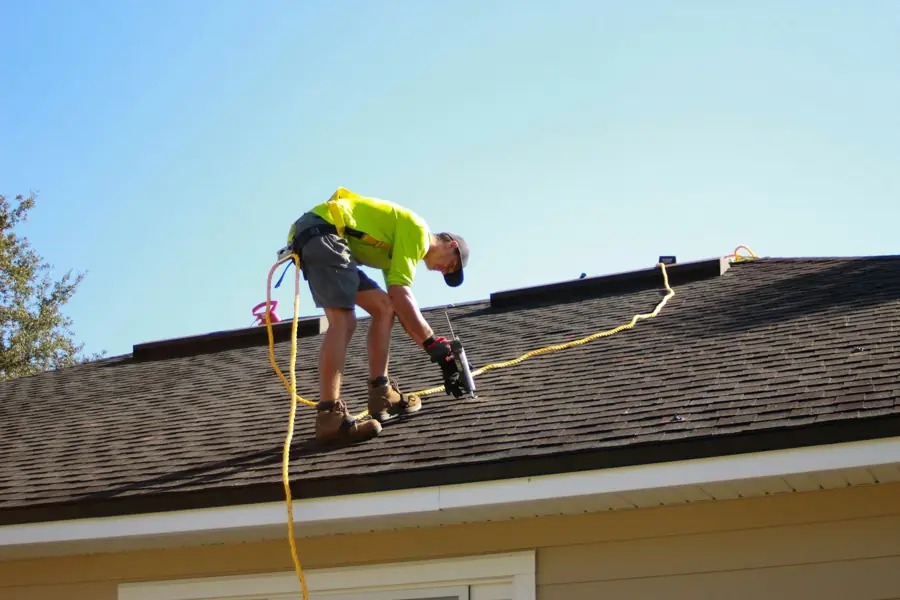
- Do not climb onto a wet roof. You can see a lot from the ground with binoculars or a zoomed in phone photo.
Walk the exterior
Circle the whole house and look at it from a few different distances.
- Roof: missing, lifted or creased shingles, displaced tiles, exposed underlayment, bent flashing and debris piled in valleys. Granules collecting at the downspouts can also point to shingle damage.
- Soffits and fascia: loose or missing soffit panels can let wind driven rain into the attic.
- Walls: new cracks in stucco, damaged siding and impact marks from flying debris. Our guide to stucco cracks explains which ones deserve a closer look.
- Windows, doors and shutters: cracked glass, damaged frames, bent tracks and shutters or garage doors that no longer operate smoothly.
- Grounds: fallen trees or limbs touching the house, washed out soil near the foundation, and pool screen enclosures with torn panels or bent framing.
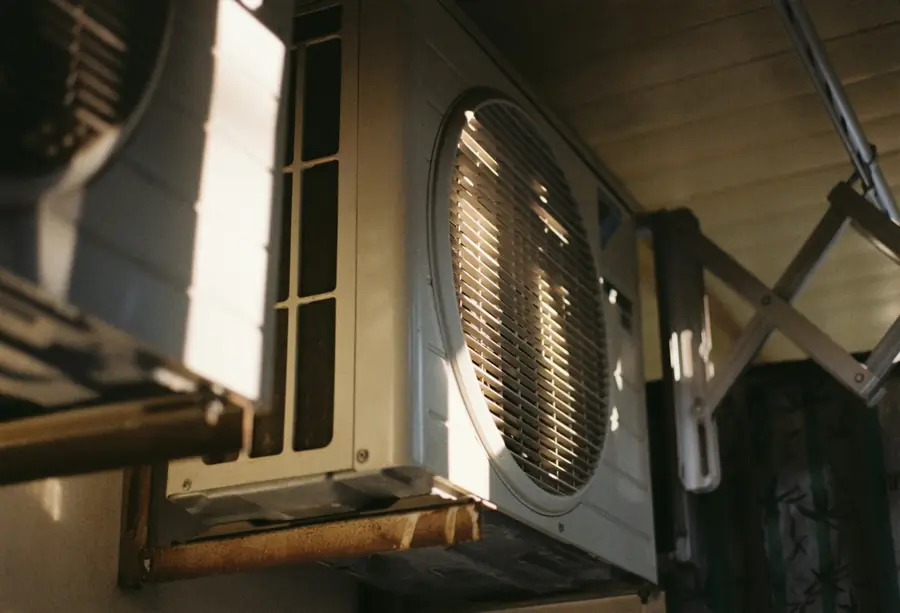
- AC condenser: check that it is level and free of debris. If it sat in floodwater, have a licensed HVAC technician inspect it before running it.
Check the attic and ceilings
The attic is where roof damage shows up first. With a flashlight, look for wet or darkened roof decking, damp or compressed insulation, daylight coming through the roof and water trails on rafters or trusses. Then go room by room and look up. Brown rings, bubbling paint and sagging drywall on ceilings all point to water getting in from above. Check again after the next heavy rain, since a small opening may only leak under the right wind direction.
Look for water inside the home
- Stains or soft spots on walls, especially below windows and around exterior doors
- Damp or buckled flooring and baseboards
- Water under sinks or around the water heater
- A musty smell that was not there before the storm
Wet drywall, carpet and insulation need to dry out quickly. Florida heat and humidity give mold a head start, so if materials stay wet for more than a day or two, consider a licensed water remediation company. If you suspect mold, a licensed mold assessor can test and advise you. Our article on moisture, mold and water intrusion covers what an inspector can and cannot tell you about it.
Document everything for your insurer
Good records make the claims process much smoother.
- Take wide shots and close ups of every damaged area, inside and out, before cleanup.
- Keep damaged items until your adjuster has seen them, or photograph them well if they must go.
- Make temporary repairs that prevent further damage, such as tarping a roof or boarding a window, and keep the receipts.
- Contact your insurance company or agent promptly. Florida has deadlines for reporting claims, so do not wait to find out what your policy requires.
Hire licensed pros and protect your records
After a big storm, unlicensed contractors and door to door crews often show up quickly. Verify any roofer or general contractor through the Florida Department of Business and Professional Regulation before you sign anything, and be cautious with anyone asking for large payments up front. Pull permits where required, and keep copies of permits, invoices and product information.
Those records matter later. If your roof is replaced or repaired, a new roof certification or 4-Point Inspection may help with your insurance, and a new roof with upgraded attachments or secondary water barrier could qualify for credits on a wind mitigation inspection. If you are buying or selling a home that went through a storm, a full home inspection is the best way to understand its current condition.
Get ready for the next one
Once repairs are done, make a short list of what worked and what did not. Maybe the shutters were hard to install or a gutter overflowed onto the patio. Our hurricane season checklist is a good place to start planning. We inspect homes across Palm Coast, Flagler Beach, Ormond Beach and Daytona Beach, and we are happy to help you understand what the storm left behind.
Frequently asked questions
Can a home inspector tell me if my roof was damaged in a storm?
An inspector can identify visible damage, active leaks and signs of water intrusion and document them with photos. A licensed roofer should evaluate repairs and give you a quote, and your insurance adjuster determines what the policy covers.
Should I wait for the adjuster before making repairs?
Make temporary repairs that prevent more damage, like tarping a roof, and keep the receipts. Photograph everything first. Hold off on permanent repairs until you have talked to your insurer about their process.
Do I need a new wind mitigation report after a roof replacement?
Often it is worth getting one. A new roof can change the roof covering, deck attachment and secondary water barrier answers on the form, which may affect your premium credits.