Florida sun, wind and rain shorten roof life. These are the signs to watch for, inside and out.
Key takeaways
- Shingle roofs in Florida often wear faster than in milder climates.
- Granule loss, curling, cracking and stains in the attic are key warning signs.
- Roof age and condition directly affect insurance options.
- Keep your roofing permit and invoice. You will need them for insurance and resale.
A roof in Florida works hard. Intense sun, heavy rain and tropical storms all take a toll. Knowing the warning signs helps you plan a replacement before a leak forces the issue.
Outside warning signs
- Curling, cupping or cracked shingles
- Bare spots and heavy granules in gutters
- Missing shingles or tiles after storms
- Lifted, rusted or loose flashing around vents and walls
- Sagging areas that suggest deck problems
- Cracked, slipped or broken tiles on tile roofs
Inside warning signs
- Water stains on ceilings, especially after heavy rain
- Dark stains or daylight visible in the attic
- Damp or compressed insulation
- Musty smells in upper rooms
Typical lifespans
Lifespans vary by product, installation quality and exposure, but in general, asphalt shingles have the shortest life, while metal and tile can last much longer when maintained. Underlayment on tile roofs often wears out before the tiles themselves.
Why age matters for insurance
Insurers often ask about roof age, and older roofs may need a roof certification to show remaining life. A new roof can also improve your wind mitigation credits.
Maintenance that extends roof life
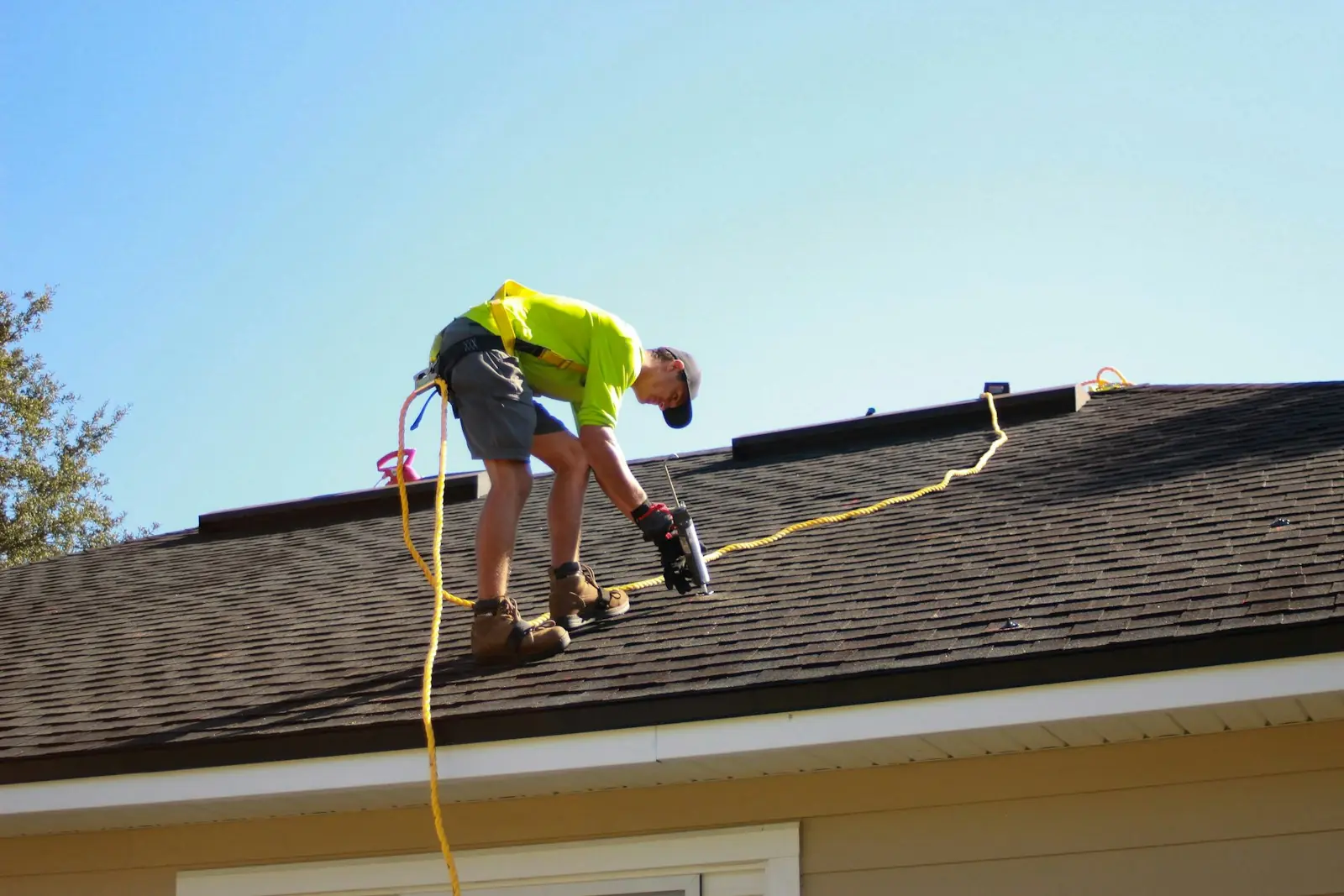
Keep gutters clear, trim overhanging branches, and have the roof checked after major storms. Small repairs to flashing and sealants are far cheaper than water damage.
Frequently asked questions
How often should I have my roof inspected?
A visual check once a year and after major storms is a good habit. An inspection before buying or insuring an older home is strongly recommended.
Does a new roof lower insurance?
Often yes. A new roof can improve insurability and may earn additional wind mitigation credits.