Almost every stucco home has cracks. Here is how to tell which ones are normal and which deserve a closer look.
Key takeaways
- Hairline cracks are common and often cosmetic.
- Wider cracks, stair step patterns and cracks with staining deserve attention.
- The biggest risk is water getting behind the stucco.
- Paint and sealant maintenance protect the wall.
Stucco is everywhere in Florida. It is durable and looks great, but nearly every stucco home develops some cracks over time. Most are cosmetic. A few are signs of bigger issues.
Usually cosmetic
- Hairline cracks thinner than a credit card
- Small spider web patterns from normal shrinkage
- Cracks at corners of windows and doors that are narrow and stable
Worth a closer look
- Cracks wider than about an eighth of an inch
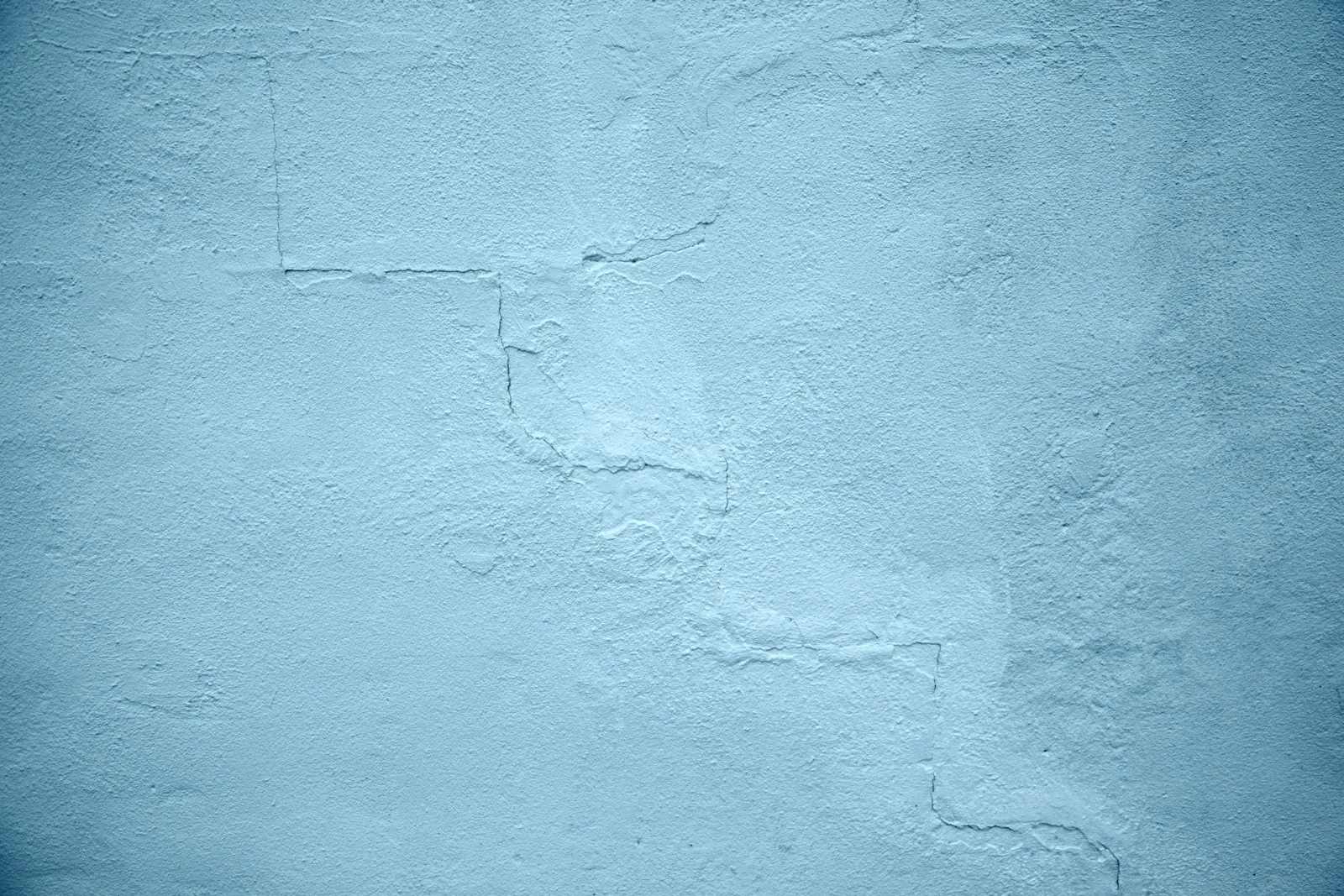
- Stair step cracks in block walls
- Cracks that are growing or that have one side offset from the other
- Staining, bubbling or soft areas near cracks
- Cracks near the base of the wall or where stucco meets the ground
Water is the real concern
The biggest risk with stucco cracks is water getting behind the wall. Over time, that can damage framing, sheathing and interior finishes. Sealed cracks, sound paint and proper flashing at windows keep water out.
What an inspector does
A home inspector notes visible cracking, staining and conditions that suggest water intrusion, and checks the interior side of walls for moisture where accessible. If there are signs of movement or significant water intrusion, a stucco specialist or structural engineer can evaluate further.
Frequently asked questions
Should I seal hairline stucco cracks?
Yes. Sealing and repainting help keep water out and are part of normal maintenance.
Do stucco cracks mean foundation problems?
Usually not. Most are shrinkage cracks. Wide, growing or offset cracks can indicate movement and deserve further evaluation.