
Hurricane season runs June 1 to November 30. A little preparation protects your home and makes insurance claims easier.
Key takeaways
- Atlantic hurricane season runs from June 1 through November 30.
- Check the roof, gutters, shutters and trees before storms arrive.
- Document your home with photos for insurance.
- Wind resistant features can also lower your premium through wind mitigation credits.
Atlantic hurricane season runs from June 1 through November 30. Northeast Florida does not see a direct hit every year, but tropical storms and strong summer weather are common. Preparing early is easier and less stressful than rushing when a storm is in the forecast.
Roof and gutters
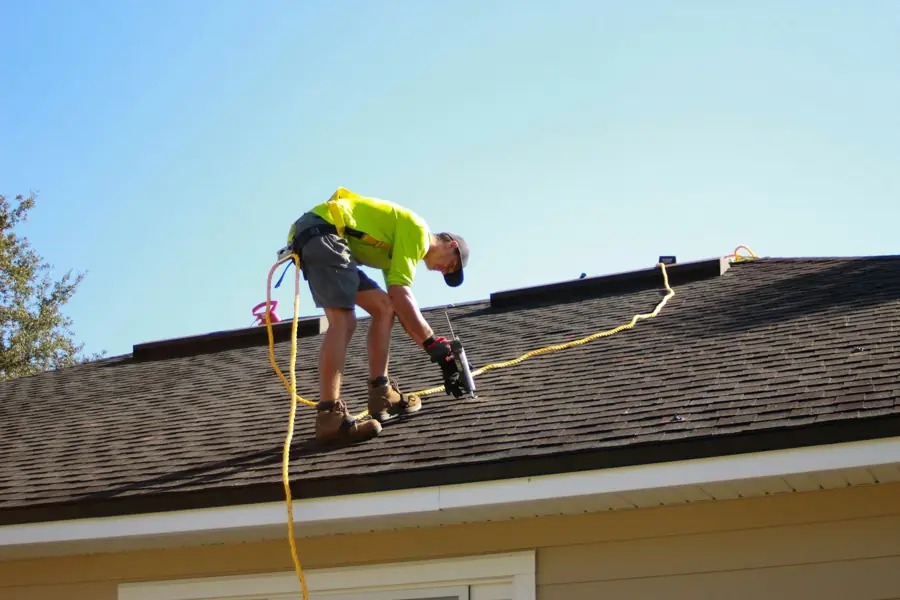
- Look for missing or loose shingles and tiles
- Check flashing around vents and walls
- Clean gutters and extend downspouts away from the house
Openings
- Test shutters and make sure hardware and fasteners are ready
- Inspect weatherstripping and caulking around windows and doors
- Check the garage door, a common weak point in high winds
Yard and trees
- Trim dead or overhanging branches
- Secure or plan to store outdoor furniture and grills
- Make sure yard drains are clear
Documentation
Take photos or video of each room, the roof and exterior, and store them online. Keep insurance policies, roof permits and your wind mitigation report where you can access them after a storm.
After the storm
When it is safe, look for roof damage, water stains and fallen limbs. Photograph damage before cleanup and contact your insurer promptly.
Protection that pays off
Roof straps, secondary water barriers and impact rated openings protect your home and can earn insurance discounts. A wind mitigation inspection documents them so you get credit.
Frequently asked questions
When is hurricane season?
The Atlantic hurricane season runs from June 1 through November 30 each year.
Do shutters lower my insurance?
Approved opening protection on all openings is one of the features on the wind mitigation form and can earn a discount.